Meal Planning for Dementia Care: The Least Glamorous Olympic Sport (and How to Win It Anyway)
- Jan 17
- 3 min read
Meal planning when you’re caring for a parent with dementia is not “what’s for dinner?” It’s: Will they eat? Will they swallow? Will they insist it’s 1997 and they already ate at the diner? And somehow, you’re also supposed to keep everyone alive, nourished, and mildly pleasant.
The good news: a lot of “mealtime problems” aren’t you failing. They’re dementia doing what dementia does—messing with appetite, attention, recognition, chewing/swallowing, and even how food looks on a plate. The 36-Hour Day emphasizes routines, simplifying choices and reducing friction at the table because the brain is already overloaded.
Here’s how to make meals easier, more realistic, and yes—sometimes even funny.
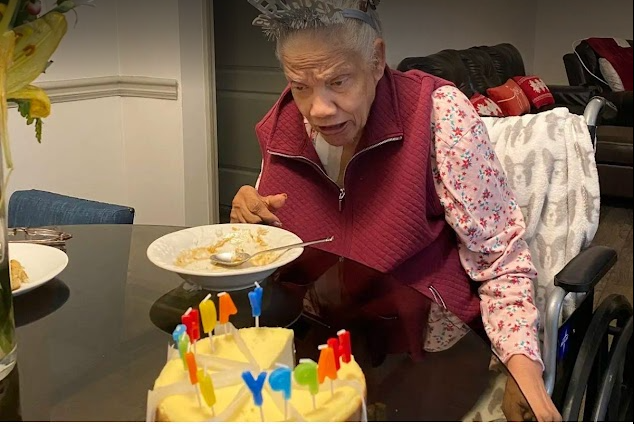
1) “Healthy” Is Great. “Eaten” Is Better.
Start with your loved one’s true favorites—the comfort foods they’ll actually accept. Familiar foods can reduce anxiety and confusion around eating.
If someone in your life says, “But that has carbs,” you may legally (in your mind) hand them the caregiving badge and walk away.
The goal is not perfect nutrition. The goal is consistent calories + hydration + fewer battles. You can nudge nutrition upward with simple upgrades:
Add protein powder to oatmeal or smoothies
Use full-fat yogurt if weight loss is an issue
Enrich soups with blended beans or extra eggs
Swap in soft cooked veggies where they won’t be rejected on sight
2) One Food at a Time: Reduce the “Too Much Stuff” Panic
A full plate can feel like visual noise. Dementia can make it hard to process multiple items at once.
Try:
Serve one or two items at a time (not a sampler platter)
Small portions (you can always offer more)
Cut food into bite-size pieces and keep textures easy to manage
A calm eating space (turn off TV/radio if it distracts them)
Caregiver translation: you’re not running a restaurant. You’re running a low-stimulation fueling station.
3) Routine Is Your Secret Weapon
Same time, same place, similar foods = less confusion and fewer surprises.
If your parent used to eat toast at 7 a.m. for 40 years, dementia doesn’t suddenly make them a quinoa-bowl person. Routine is comfort.
4) Finger Foods: Because Utensils Eventually Betray Us All
When forks become frustrating, switch to handheld foods:
Egg muffins
Sandwich quarters
Soft chicken nuggets
Cheese cubes (if tolerated)
Banana, berries, melon cubes
Buttered toast sticks
Meatballs
Steamed veggie sticks (soft)
Finger foods reduce the “tool problem” and keep dignity intact.
5) Takeaway Containers = Caregiver Infrastructure
Yes to containers. Not because you’re cute and organized—because you are tired and survival matters. What actually helps:
Pre-portion meals and snacks
Label with BIG print
Add the day/time if it helps other helpers (“TUES LUNCH”)
Keep 2–3 “default meals” you can rotate without thinking
Bonus: if you ever need someone else to step in, they’re not staring into the fridge whispering, “Is this… chicken? Or an ancient science experiment?”
6) Appliances That Save Your Sanity (and Reduce Risk)
Simple is safer.
Slow cooker/Crock-Pot: low effort, soft textures
Air fryer: fast, predictable results
Electric grill: quick sandwiches, minimal steps
Safety note: if your loved one might try to cook unsupervised, consider unplugging appliances, removing knobs, or restricting kitchen access—dementia + heat is not a fun combo.
7) The Big One People Miss: Swallowing Changes
If your parent:
coughs during meals
clears their throat a lot
“pockets” food in cheeks
chokes more often
takes forever to chew/swallow
avoids certain textures suddenly
…that can be dysphagia (swallowing difficulty), which is common in dementia progression and needs medical guidance. This is not the place to power through with “just take one more bite.” This is the place to get help.
8) Flexibility: The Rule You’ll Learn the Hard Way
Some days they’ll love tacos. The next day tacos are “disgusting and suspicious.” Dementia can change preferences, appetite, and mood fast.
So yes—be flexible:
If breakfast happens at 11 a.m., fine.
If dinner becomes “snacks all day,” also fine.
If they refuse a meal, try again later with something familiar.
You are not failing. You are adapting.
A Simple “No-Thinking” Meal Framework
Keep a short list like this on your phone:
Breakfast (choose 1):
Scrambled eggs + toast
Oatmeal + peanut butter
Yogurt + soft fruit
Smoothie (protein + fruit)
Lunch (choose 1):
Soup + bread
Turkey sandwich quarters
Mac and cheese + peas (soft)
Egg salad
Dinner (choose 1):
Slow cooker chicken + mashed potatoes
Meatballs + pasta (soft)
Chili (mild) + cornbread
Baked fish + rice
Snack default:
pudding, applesauce, cheese, crackers, banana, nutrition shake
That’s it. That’s the system. No gourmet pressure.
Conclusion: Mealtime Doesn’t Have to Be a Daily Fight Club
Meal planning with dementia is about reducing decisions, reducing overwhelm and increasing the odds that food actually gets eaten safely. Keep it familiar. Keep it simple. Use routines and containers like the exhausted professional you are. And when something changes—especially swallowing—treat it as a medical/safety signal, not a stubbornness issue.



Comments